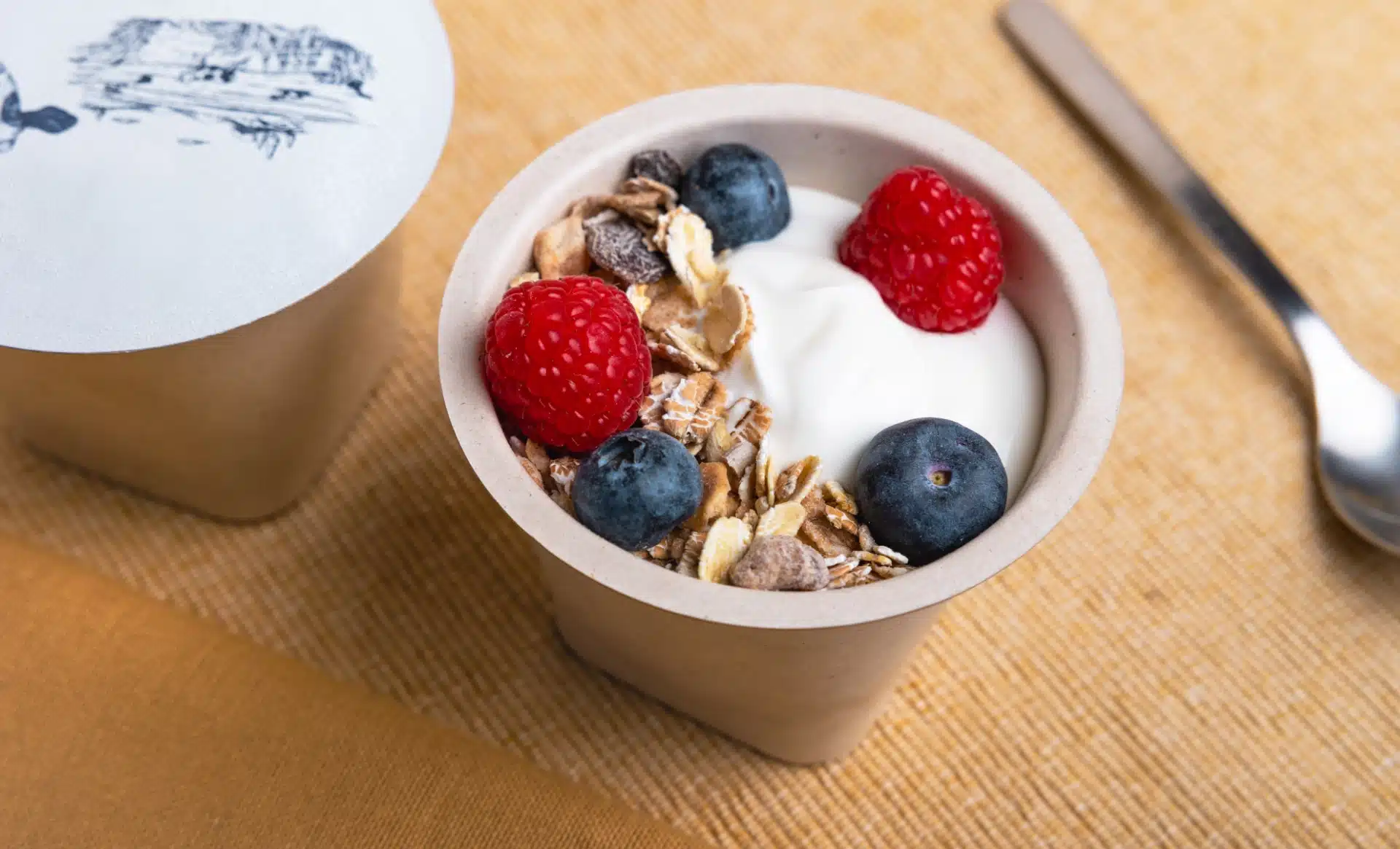
Molded pulp packaging
Molded pulp packaging engineered for stable denesting, reliable handling, and brand-ready presentation.
- Stable denesting and repeatable handling for co-packing lines.
- No-grid show faces for premium presentation (where it matters).
- Prototype → pilot → serial with controlled revisions.
- Optional barrier concepts, scoped with end-of-life trade-offs.
- EU R&D and manufacturing (Hungary) for short feedback loops.
Send CAD and you’ll receive:
feasibility notes, key risks, and a prototype → pilot plan.
Engineering-led approach,
documented trade-offs.
We avoid blanket “recyclable everywhere” claims. End-of-life outcomes depend on the selected barrier system and local routes, so we document trade-offs per project. Molded pulp packaging performs best when it’s designed around line reality—denesting, orientation, and repeatable handling—then validated in prototype and pilot trials.
Why Intrecore
Built for co-packers who can’t afford line surprises
When you run multi-brand programs, seasonal peaks, and last-minute spec changes, molded fiber only works if it’s treated like an operations project, not a “material swap”.
How Intrecore reduces risk for co-packers
(what we can stand behind):
- R&D-led development across product, tooling, material, and production capabilities.
- Tooling know-how for premium geometry (sharp edges, low draft targets, no-grid show faces).
- Documented QA/QC workflow with inspection and traceability support, aligned to project scope.
- Prototype → pilot → serial execution designed around structured change control.
Where we’ll be transparent (so your plant can commit):
- “Runs at speed” is confirmed through line trials and agreed acceptance criteria, not assumed.
- Barrier concepts are scoped with clear impact on repulpability/recyclability, appearance, and cost, based on the selected barrier and local end-of-life route.
Solutions and use cases
Plastic/foam insert replacement for promo & gift sets
Problem: Fiber is requested, but early trials cause jams, mis-picks, or “egg-tray” aesthetics.
Solution: No-grid insert concept + line-fit checks (denest, grip points, cartoner fit).
Outcome: Faster sign-off and lower launch-delay risk after pilot.
Premium beauty or consumer electronics presentation trays
Problem: Visible grids and rough surfaces fail brand approval.
Solution: Wet press molded fiber for smoother feel and sharper definition.
Outcome: Higher chance of premium presentation approval.
OTC / supplements multipack trays and bottle stabilizers
Problem: Rattle, scuffs, and transit deformation drive rework.
Solution: Pocket geometry + stackable design + dimensional control plan.
Outcome: More predictable pack-out, fewer rework loops.
Cold-chain / moisture-sensitive food trays (lidded concepts)
Problem: Humidity/condensation impacts strength and fit.
Solution: Material selection + optional barrier concept; flatness targets defined early.
Outcome: Clear feasibility path once barrier and compliance route are set.
Process: prototype → pilot → serial
A line-ready workflow
(so you can commit with confidence)
Step 1 — inputs (what we need from you)
Step 2 — Feasibility + DFM
Step 3 — Prototype + Pilot / line trial
Step 4 — Serial production + controlled revisions
Prefer speed?
Send CAD + line constraints for a feasibility check.
Materials, surface quality, barrier options
Material choices (typical options):
Recycled fiber, wood fiber, bamboo fiber, bagasse (availability and suitability depend on performance and compliance targets).
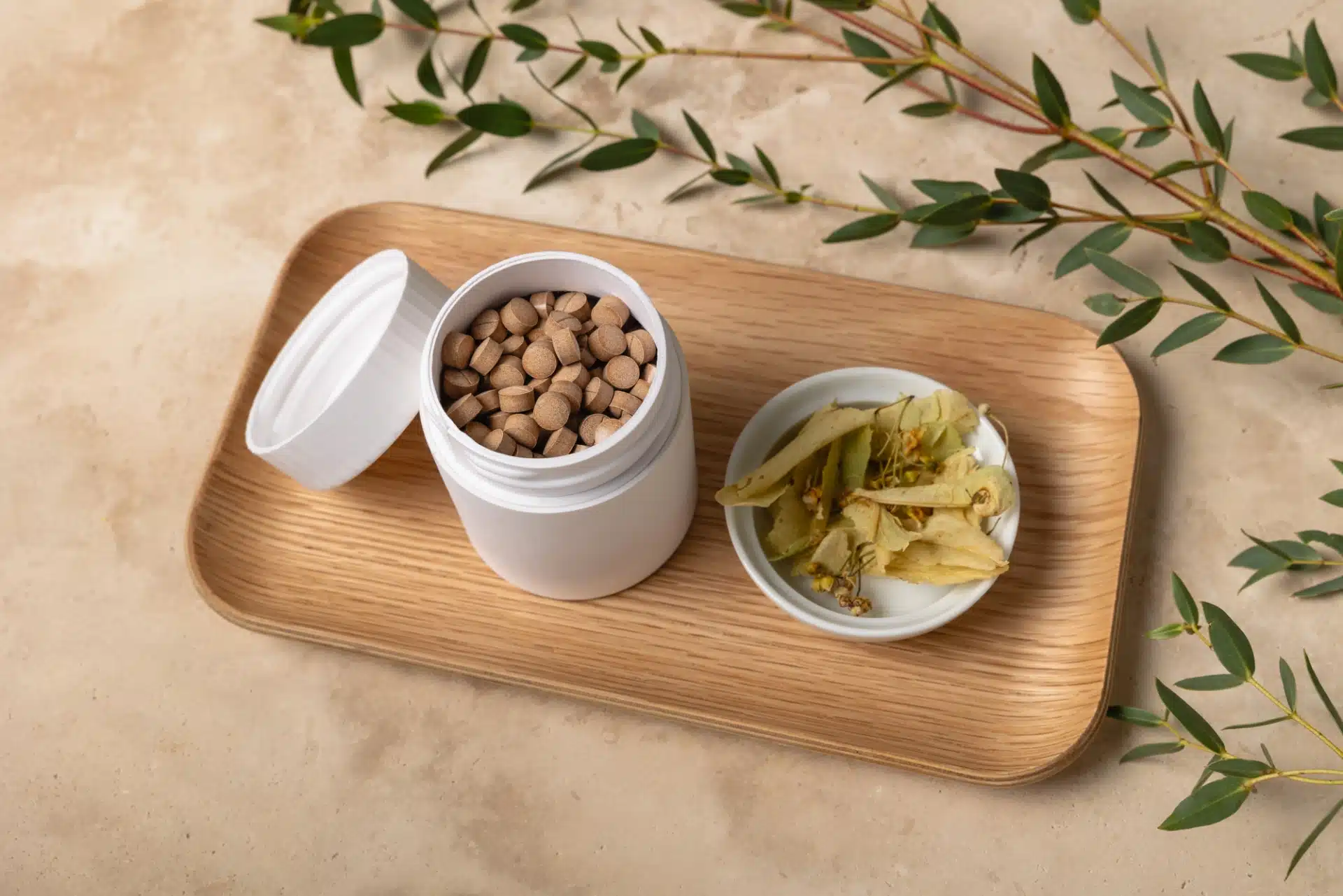
surface quality (what “premium” means):
No-grid show faces for customer-facing packs, clean edges, controlled geometry, and wet press (wet molding) for defined details and consistent fit targets.
Barrier options (when required):
If you need resistance to moisture/grease/liquids, we evaluate coating/lamination concepts and document what it changes for repulpability/recyclability, appearance, and unit cost—based on the selected barrier and local end-of-life route.