

Molded pulp packaging
Molded pulp packaging engineered for stable denesting, reliable handling, and brand-ready presentation.
- Dry press and wet press molding, selected per application.
- Stable denesting and repeatable handling for co-packing lines.
- No-grid show faces for premium presentation (where it matters).
- Prototype → pilot → serial with controlled revisions.
- Optional barrier concepts, scoped with end-of-life trade-offs.
- EU R&D and manufacturing (Hungary) for short feedback loops.
Send CAD and you’ll receive:
feasibility notes, key risks, and a prototype → pilot plan.
Engineering-led approach,
documented trade-offs.
Intrecore develops molded pulp packaging using both dry press and wet press technologies. The process is selected around the product’s protection, surface, geometry, line-handling, volume, and cost requirements.
Dry press is typically suited to protective and cushioning applications where structural performance and cost efficiency lead the decision. Wet press is typically selected for smoother surfaces, refined details, and premium customer-facing packaging.
We avoid blanket “recyclable everywhere” claims. End-of-life outcomes depend on the selected barrier system and local routes, so we document trade-offs per project. Molded pulp packaging performs best when it’s designed around line reality—denesting, orientation, and repeatable handling—then validated in prototype and pilot trials.
Why Intrecore
Built for co-packers who can’t afford line surprises
When you run multi-brand programs, seasonal peaks, and last-minute spec changes, molded fiber only works if it’s treated like an operations project, not a “material swap”.
How Intrecore reduces risk for co-packers
(what we can stand behind):
- R&D-led development across product, tooling, material, and production capabilities.
- Tooling know-how for premium geometry (sharp edges, low draft targets, no-grid show faces).
- Documented QA/QC workflow with inspection and traceability support, aligned to project scope.
- Prototype → pilot → serial execution designed around structured change control.
Where we’ll be transparent (so your plant can commit):
- “Runs at speed” is confirmed through line trials and agreed acceptance criteria, not assumed.
- Barrier concepts are scoped with clear impact on repulpability/recyclability, appearance, and cost, based on the selected barrier and local end-of-life route.
Solutions and use cases
Plastic/foam insert replacement for promo & gift sets
Problem: Fiber is requested, but early trials cause jams, mis-picks, or “egg-tray” aesthetics.
Solution: No-grid insert concept + line-fit checks (denest, grip points, cartoner fit).
Outcome: Faster sign-off and lower launch-delay risk after pilot.
Premium beauty or consumer electronics presentation trays
Problem: Visible grids and rough surfaces fail brand approval.
Solution: Wet press molded fiber for smoother feel and sharper definition.
Outcome: Higher chance of premium presentation approval.
OTC / supplements multipack trays and bottle stabilizers
Problem: Rattle, scuffs, and transit deformation drive rework.
Solution: Dry press pocket geometry + stackable design + dimensional control plan.
Outcome: More predictable pack-out, fewer rework loops.
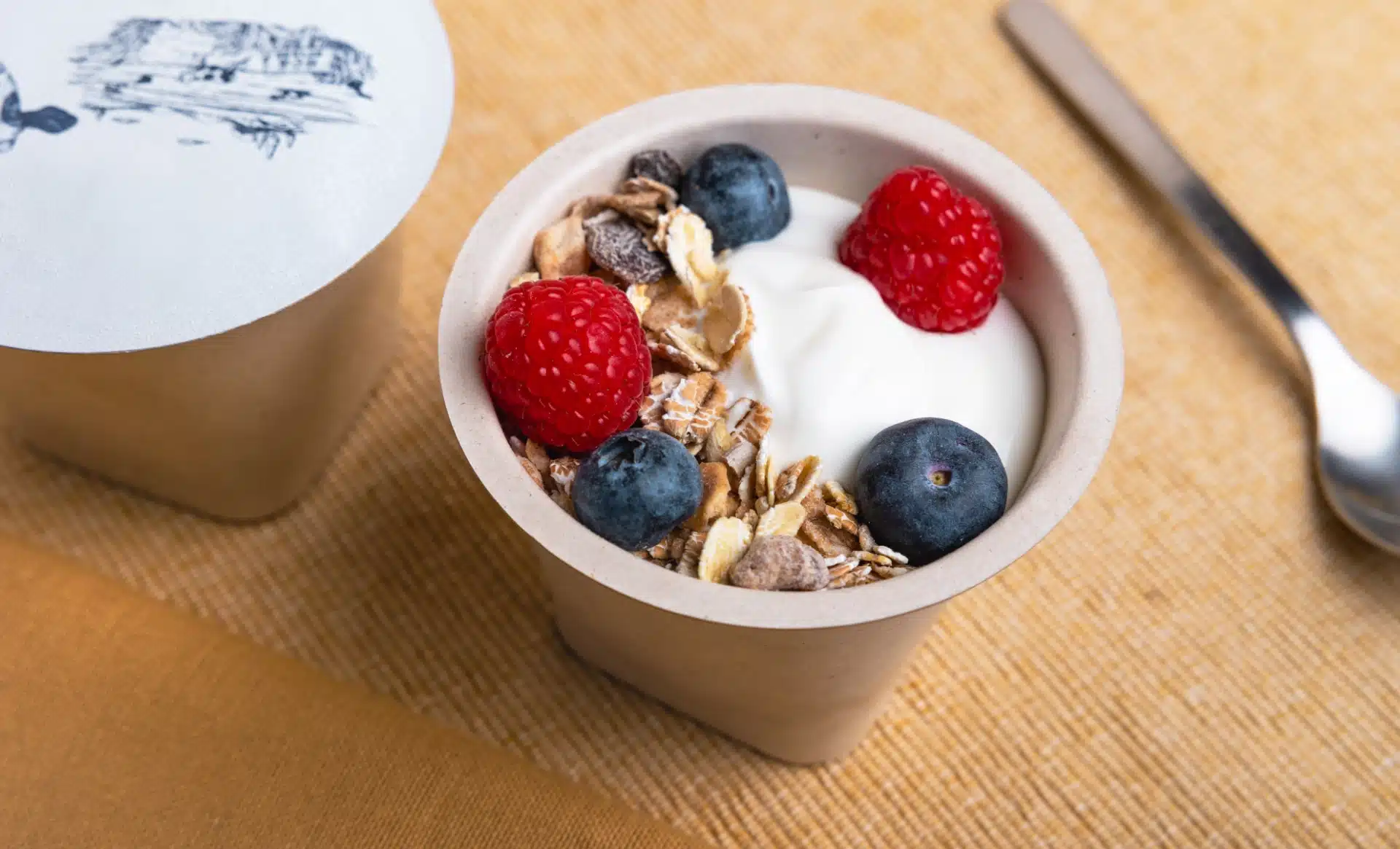
Cold-chain / moisture-sensitive food trays (lidded concepts)
Problem: Humidity/condensation impacts strength and fit.
Solution: Material selection + optional barrier concept; flatness targets defined early.
Outcome: Clear feasibility path once barrier and compliance route are set.
Process: prototype → pilot → serial
A line-ready workflow
(so you can commit with confidence)
Step 1 — inputs (what we need from you)
Step 2 — Technology selection + DFM
Step 3 — Prototype + Pilot / line trial
Step 4 — Serial production + controlled revisions
Prefer speed?
Send CAD + line constraints for a feasibility check.
Materials, surface quality, barrier options
Material choices (typical options):
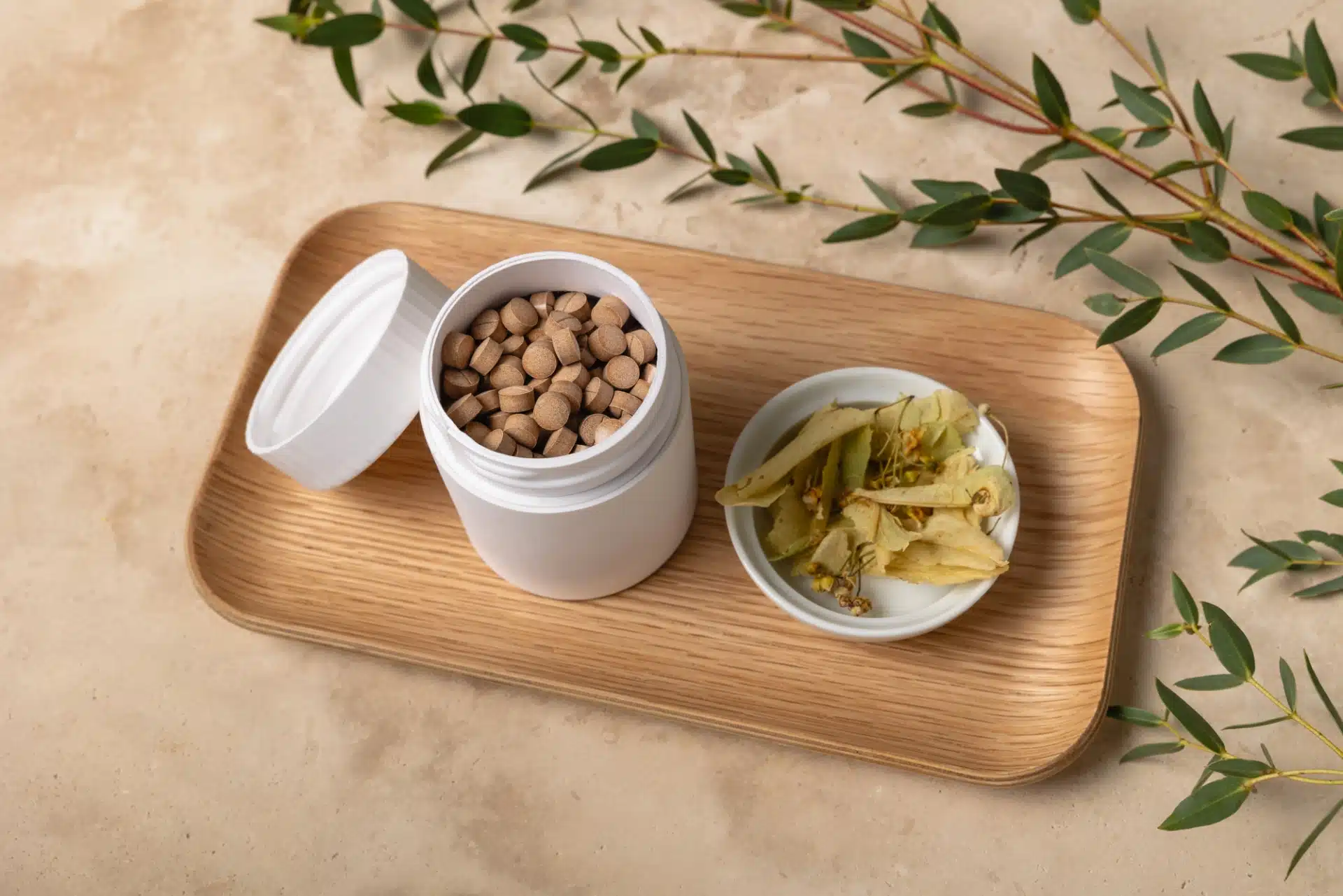
Recycled fiber, wood fiber, bamboo fiber, bagasse (availability and suitability depend on performance and compliance targets).
Surface quality (what “premium” means):
No-grid show faces, clean edge definition, and controlled pocket geometry are what customer-facing packs get judged on. Finish, fit, and dimensional targets are agreed before tooling and validated during prototyping and pilot production.
Barrier options (when required):
If you need resistance to moisture/grease/liquids, we evaluate coating/lamination concepts and document what it changes for repulpability/recyclability, appearance, and unit cost—based on the selected barrier and local end-of-life route.
Quality, compliance, and trust
Ready for molded pulp packaging that your line can commit to?
Frequently asked questions about molded pulp packaging
Should we choose dry press or wet press molded pulp?
What drives pricing for molded pulp packaging?
What lead times should we expect?
How tight can tolerances be?
Do you offer barrier solutions?
Can you support audits and documentation requests?
Is there a minimum order quantity difference between dry press and wet press?
Explore more related content

Sustainable Packaging Design: How to Make Eco-Friendly Packaging Look Premium
Sustainable Packaging Design: How to Make Eco-Friendly Packaging Look PremiumFor beauty and retail brands, sustainable packaging design is about more than making a pack look eco-friendly. It is the...
Recyclable packaging with barrier coating: picking the right system
Recyclable packaging with barrier coating:picking the right systemIf you own packaging compliance, EPR reports and chill-chain complaints, you’re walking a tightrope. On one side, PPWR and EPR are...
Eco packaging certifications that prove your packaging is truly sustainable
Eco packaging certifications that prove your packaging is truly sustainableIf you’re responsible for packaging, you’re surrounded by claims: compostable, recyclable, eco-friendly, “low environmental...