

Sustainable Packaging Design: How to Make
Eco-Friendly Packaging Look Premium
For beauty and retail brands, sustainable packaging design is about more than making a pack look eco-friendly. It is the discipline of balancing premium visual design, real recyclability, product protection, and commercial reality across the supply chain. For visible inserts and fitments, wet molded fiber is increasingly one of the strongest sustainable alternatives when you want to reduce plastic use without losing shelf appeal.
Premium brands feel the stakes around packaging more than most. In 2023, the EU generated 79.7 million tonnes of packaging waste, equal to 177.8 kg per person, and plastic packaging waste still reached 35.3 kg per person. PwC reported that consumers are willing to pay an average 9.7% more for sustainably produced or sourced goods, while McKinsey found that in 2025 a substantial share of European consumers were still willing to pay more for sustainable packaging, ranging from 41% in France to 52% in Italy. That makes better pack design a growth issue as much as a compliance issue.
On this page:
What It Means and Why It Matters
What is sustainable packaging design? It is a lifecycle-based approach that reduces packaging waste, improves recyclability, protects products and packaging, and lowers environmental impact without weakening performance. It also clarifies the difference between sustainable, recyclable, and circular packaging. Recyclable packaging asks whether you can recycle packaging in real systems. Circular design goes further and keeps materials in use for longer. This approach sits above both because it considers sourcing, manufacturing, logistics, use, and end-of-life.
The key principles are simple. Reduce unnecessary components. Avoid poor packaging choices that make packs harder to sort or recycle. Use materials that fit real recovery systems. Keep environmental messaging precise through honest labeling and checking certifications. For premium brands, there is one more principle: visual design should communicate quality through structure, texture, and restraint, not through plastic-heavy decoration that weakens credibility.
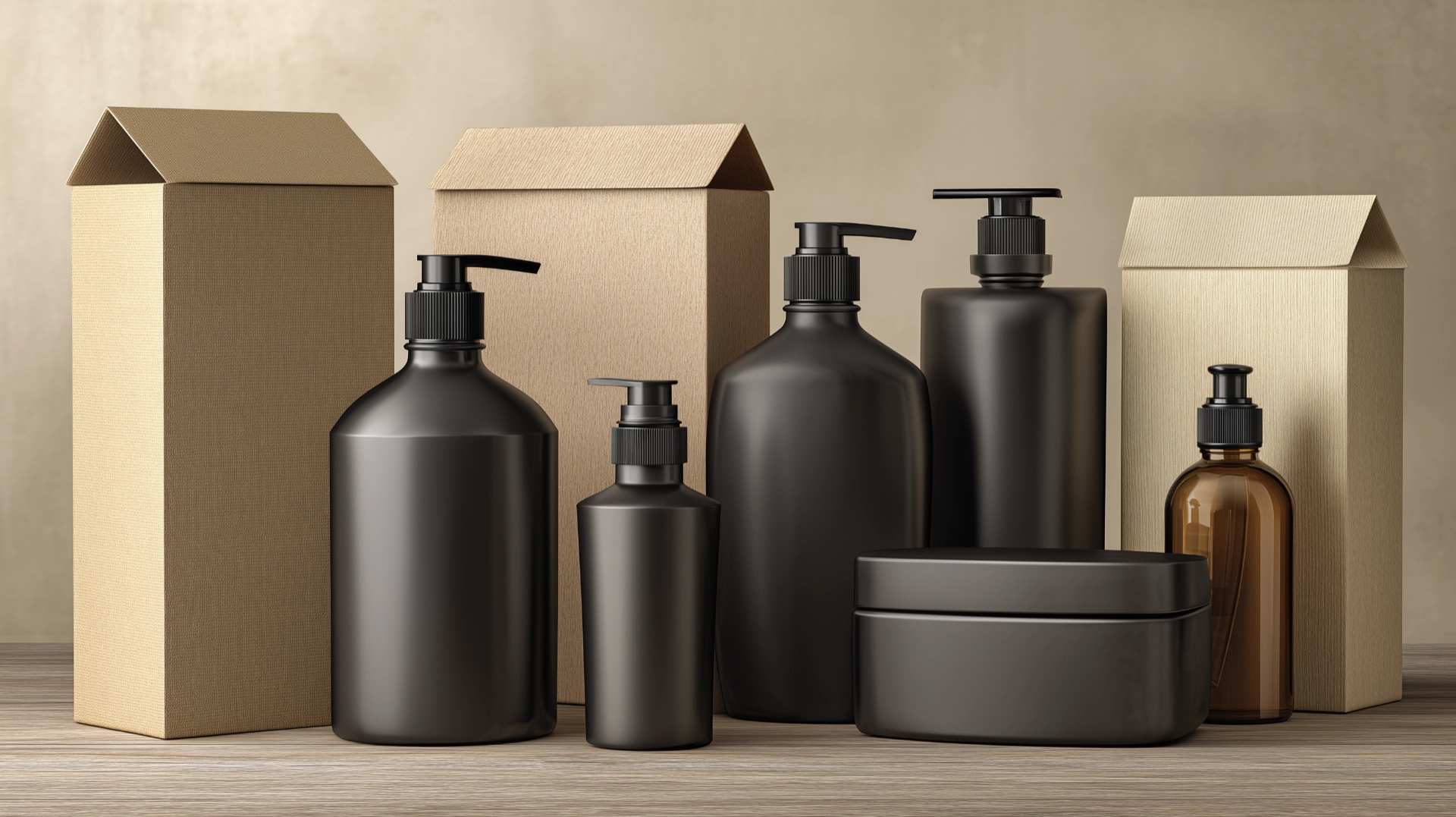
There is no single packaging material that wins in every application. Carton and recycled paper often work well for outer packs because they are familiar, recyclable, and versatile for brand storytelling. They are useful when you want a clean visual design, good printability, and a premium carton shell. But paper is not automatically better than plastic in every case. Barrier needs, damage risk, product sensitivity, and the local recycle infrastructure all matter when assessing material quality and recyclability.
For inserts, trays, and fitments, molded fiber packaging is often a better answer than plastic packaging. Dry-pressed fiber works well for hidden protection, but wet molded fiber is usually the stronger option when the pack needs to look premium. It offers smoother surfaces, sharper detail, embossing potential, and a cleaner unboxing experience than rough transit-grade formats. In practice, carton often works best for outer presentation, while wet molded fiber often works best for premium inserts. Plastic still has a role where clarity, tight tolerances, or advanced barriers are essential, but for many beauty formats, replacing plastic inserts with fiber-based packaging is one of the most practical sustainable alternatives available.
Design for Recyclability Without Losing Brand Appeal
How do you design packaging for recyclability? Start by simplifying the structure. Mixed materials, glued windows, heavy laminations, dark coverage, and non-separable extras all make it harder to recycle packaging at scale. That is why design for recycling in packaging is often less about adding new features and more about removing the wrong ones. The same thinking supports design for circularity in packaging too: keep formats easier to sort, easier to recover, and easier to turn into new packaging solutions.
Barrier layers need careful handling. They do not automatically make a paper pack unrecyclable, but they can reduce recyclability if they interfere with sorting or repulping. For brand teams, the key question is not whether a barrier exists, but whether it is compatible with the intended recycling stream and justified by real product protection needs. If a paper pack needs a barrier, the safer route is to validate recyclability early instead of assuming that paper appearance automatically means recyclable packaging. That is why honest labeling, checking certifications, and stream-specific guidance matter. It also helps companies avoid greenwashing. If packaging appears eco-friendly but uses hard-to-separate layers, weak disposal instructions, or vague claims, brand trust suffers. A premium pack should communicate clearly, not hide complexity behind environmental messaging.
Ready to replace plastic inserts without losing premium appeal?
We’ll help you identify realistic opportunities to improve sustainability, protect the product, and keep the unboxing experience premium.
Replacing Plastic Inserts with Wet Molded Fiber
How can brands replace plastic inserts with fiber-based packaging and still keep a premium feel? Start with visible, high-value SKUs where the insert shapes quality perception: beauty kits, fragrance boxes, skincare sets, and premium retail bundles. Well-designed wet molded fiber can hold products precisely, reduce loose parts, and support a refined reveal inside the carton. It is especially effective when the goal is to replace recyclable plastic or virgin plastic parts that add little value beyond presentation.
This is where eco-friendly packaging design becomes commercially useful. NIM research shows that paper-based packaging cues can improve sustainability perception and, in some cases, quality perception too. That matters because consumer expectations are not just about reducing plastic waste. They are also about credibility, tactile quality, and ethical intent. The best premium packs do not try to copy glossy plastic. They use minimalist design, embossing, structure, honest labeling, and material texture to enhance brand trust and brand loyalty.
Before launch, the pack still needs to perform. At minimum, sustainable packaging should be validated for fit, nesting, stacking, transport durability, line compatibility, and transit performance. For premium beauty and retail formats, it is also worth checking surface finish consistency, embossing quality, and whether the insert still supports the intended unboxing experience after transit. For ecommerce packaging, add right-sized boxes, stacking efficiency, and damage control. Premium sustainable packaging fails when it looks good on a moodboard but struggles in the supply chain.
Trends, PPWR, and EPR:
What Brand Managers Should Watch
The biggest trends are moving in a practical direction. Premium brands are stepping away from plastic-heavy presentation and toward fiber-led packs made from recycled materials or responsibly sourced paper streams. There is also more pressure for packs that are easy to understand, easy to recycle, and backed by clearer evidence. That is part of why wet molded fiber is gaining attention: it can support premium branding with lower plastic use and fewer weak eco claims.
Regulation is pushing the same way. The EU Packaging and Packaging Waste Regulation entered into force on 11 February 2025 and generally applies from 12 August 2026. Its direction is clear: by 2030, packaging placed on the EU market should be recyclable in an economically viable way. EPR fees influence packaging choices in the same direction, because fee modulation increasingly rewards better recyclability and penalizes hard-to-process formats. For brand managers, that raises the value of simple structures, better claims, and material choices that fit real systems.
The best sustainable packaging is not the pack with the loudest claim. It is the one that protects the product, looks premium, fits the supply chain, and gives people a clear end-of-life route. For beauty and retail brands, that means moving beyond generic eco-friendly packaging claims and making better decisions about structure, materials, and recyclability.
Carton, recycled paper, molded fiber, biodegradable or compostable formats, and even selected plastic applications can all have a role. But for visible inserts, wet molded fiber often gives the best balance of sustainability, protection, and premium feel. When brands want eco-friendly packaging to look refined instead of improvised, that is the format worth prioritizing.
Want to see if wet molded fiber is right for your brand?
FAQ
Is paper packaging always more sustainable than plastic?
How do barrier coatings affect paper packaging recyclability?
Can sustainable packaging still feel premium?
How can ecommerce packaging be made more sustainable?
What is design for circularity in packaging?
How do you measure the carbon footprint of packaging?
Explore more related content
Recyclable packaging with barrier coating: picking the right system
Recyclable packaging with barrier coating:picking the right systemIf you own packaging compliance, EPR reports and chill-chain complaints, you’re...
Eco packaging certifications that prove your packaging is truly sustainable
Eco packaging certifications that prove your packaging is truly sustainableIf you’re responsible for packaging, you’re surrounded by claims:...
Microplastics and Nanoplastics in Food Packaging: A Practical Guide for Food and Retail Packaging Teams
Microplastics and Nanoplastics in Food Packaging: A Practical Guide for Food and Retail Packaging TeamsMicroplastics in food packaging are no longer...

ABOUT US
Intrecore is the industry leader in innovative & sustainable pulp moulding packaging manufacturing. With a focus on environmental responsibility and advanced technology, we pioneer the sustainable packaging revolution.
HUNGARY FACTORY
R&D, Manufacturing
Intrecore Hungary Kft.
Ipartelepi út 18-20
9330 Kapuvár,
Hungary
CHINA OFFICE
R&D
Ecore Tech. Co., LTD.
Room 912, 9th Floor, Shuguang Building, No. 12, Keji South 12th Road
Nanshan District, Shenzhen
China
CHINA FACTORY
Manufacturing, Tooling
Xiangfa Science and Technology Park,
Qizhong Town, Dongguan
China
Copyright © 2025 — Intrecore. All Rights Reserved.